Monroe Local
Excavation Work That Prepares the Site Correctly
From rough grading to trench excavation, we handle the groundwork so every project starts on solid footing.
Free estimate
Tell us what you need
Three fields. It reaches a person here, not a call centre.
Excavations That Set Up Every Project Correctly
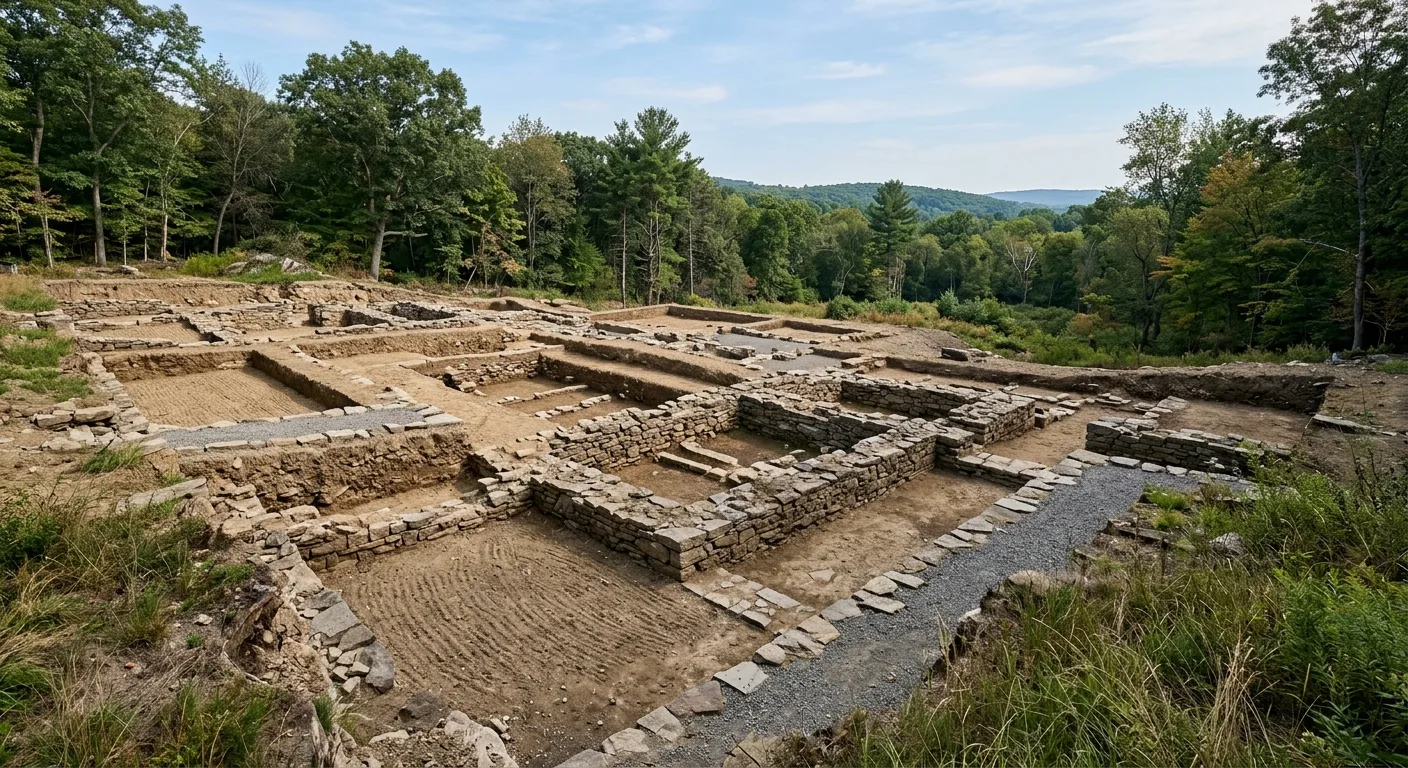
Excavation is the part of a project most homeowners never see once it's done, which is exactly why it has to be right. Bad grading causes drainage problems. An undersized trench means a failed septic installation. A poorly cleared lot makes every trade that follows you more expensive. Alissia Home Improvement handles excavation with proper heavy equipment and a crew that understands what comes after the dig, whether that's a concrete driveway, a foundation, or a complete site prep for new construction. Fully insured and based in Orange County, NY. Call for a free on-site estimate.
The scope of an excavation job varies more than almost any other trade. A straightforward grading pass on a flat suburban lot is a different animal from clearing a rocky, wooded slope in the hills above Harriman or cutting a deep trench through clay soil for a drain field. What drives cost is site conditions, access for equipment, the volume of material being moved, whether spoils need to be hauled off-site, and the finish grade tolerance the next phase requires. Every job is different, contact Alissia Home Improvement for an accurate estimate.
What Excavation Actually Covers
Excavation isn't one task. It's a category of site work, and the scope depends entirely on what the project needs.
Site Grading
Rough and finish grading to establish correct slope, drainage direction, and a stable base for whatever comes next. This is the first call on any new construction or major renovation.
Land Clearing
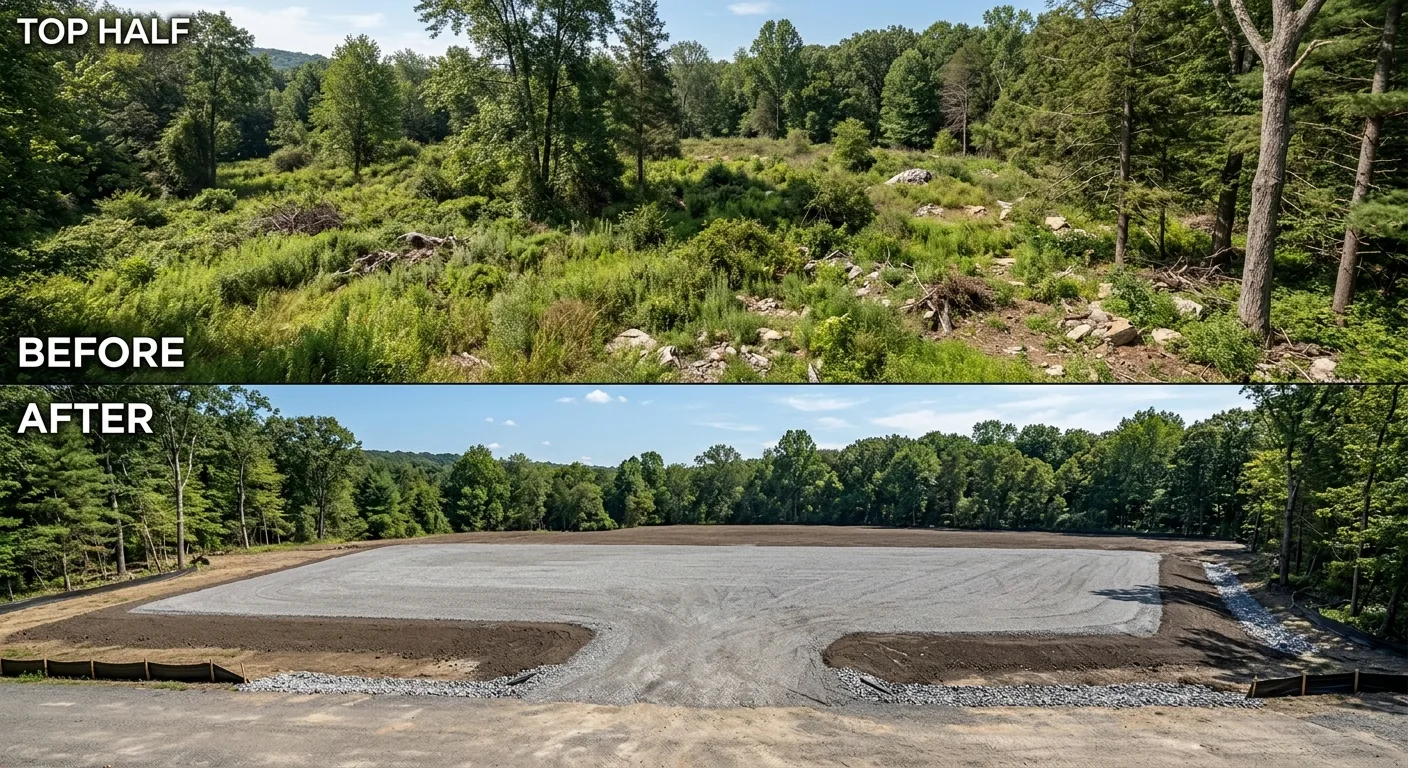
Stump removal, brush clearing, and topsoil stripping for lots that need to be prepped from scratch. Orange County's wooded terrain means most residential lots need this before any hardscape work can begin.
Trench Excavation
Precision trenching for septic lines, drainage pipe, utilities, and footings. Trench depth, width, and sidewall stability are critical, especially in clay-heavy or rocky soil.
Foundation Excavation
Deep digs for footings, retaining wall bases, and structural foundations. We work to spec and understand the tolerance requirements downstream trades depend on.
Drainage Correction
Regrading slopes that direct water toward structures, cutting swales, and preparing beds for French drains. Many Orange County hillside properties have this problem chronically.
Spoil Removal
Excavated material that can't stay on-site gets hauled. We coordinate removal as part of the job, not as an afterthought you find out about on the invoice.
How We Work
The Excavation Process, Step by Step
- 01
Site Assessment and Planning
We walk the property, confirm grade targets, identify underground utilities, and determine equipment access. This is where problems get caught, not after the machine is already moving dirt.
- 02
Excavation and Grading
We execute the dig with the right equipment for the site conditions. Tight access gets compact equipment. Large open sites get full-size machinery. The finish grade matches the project spec.
- 03
Cleanup and Handoff
Spoils are removed or redistributed as planned, the site is left clean, and we coordinate with the next phase of your project, whether that's concrete work, septic installation, or landscaping.
What To Know
Soil and Terrain Factors in Orange County
Excavation Connects to Every Other Trade
This is why having one crew handle excavation and the downstream work matters.
- 01
Concrete and Hardscape Base Prep
A concrete driveway or patio is only as stable as what's under it. We excavate to the correct depth, install compacted base material, and hand off a surface ready for pour.
- 02
Septic System Installation
Septic work starts with excavation. Trench depth, soil percolation, and grade all determine whether the system passes inspection. We handle both phases, so nothing gets lost in translation.
- 03
Retaining Wall Footing
A retaining wall without a properly excavated and compacted footing will move. We dig to frost depth and to the engineer's spec before a single block goes in.
- 04
Drainage System Installation
French drains, catch basins, and daylight drains all require precise trench excavation. The slope of the trench determines whether the system drains or pools.
Why Alissia Handles It All In-House
Five-star rating across all Google reviews, fully insured, Orange County-based crew.
- Fully insured and bonded
- Every excavation carries real liability coverage, not a handshake.
- One crew, full scope
- Excavation through finished hardscape or septic, no handoffs to strangers.
- Heavy equipment on staff
- We own and operate the equipment, we don't rent it the morning of.
- Free on-site estimates
- We assess the site before quoting, not after you've already committed.
Excavation Questions, Answered Straight
What do excavation contractors actually do, and when do I need one?
How does rocky or clay soil in Orange County affect excavation cost and timeline?
Do I need a permit for excavation work in New York State?
How deep does excavation go for a concrete driveway or patio base?
What happens to the soil and material excavated from my property?
Can excavation fix my drainage problem, or do I need something else?
Get a Site Assessment Before You Commit to Anything
Every excavation project in Orange County starts with a free on-site visit. We look at the terrain, the soil, and what you're building next, then give you a straight answer on scope and cost.