Monroe Local
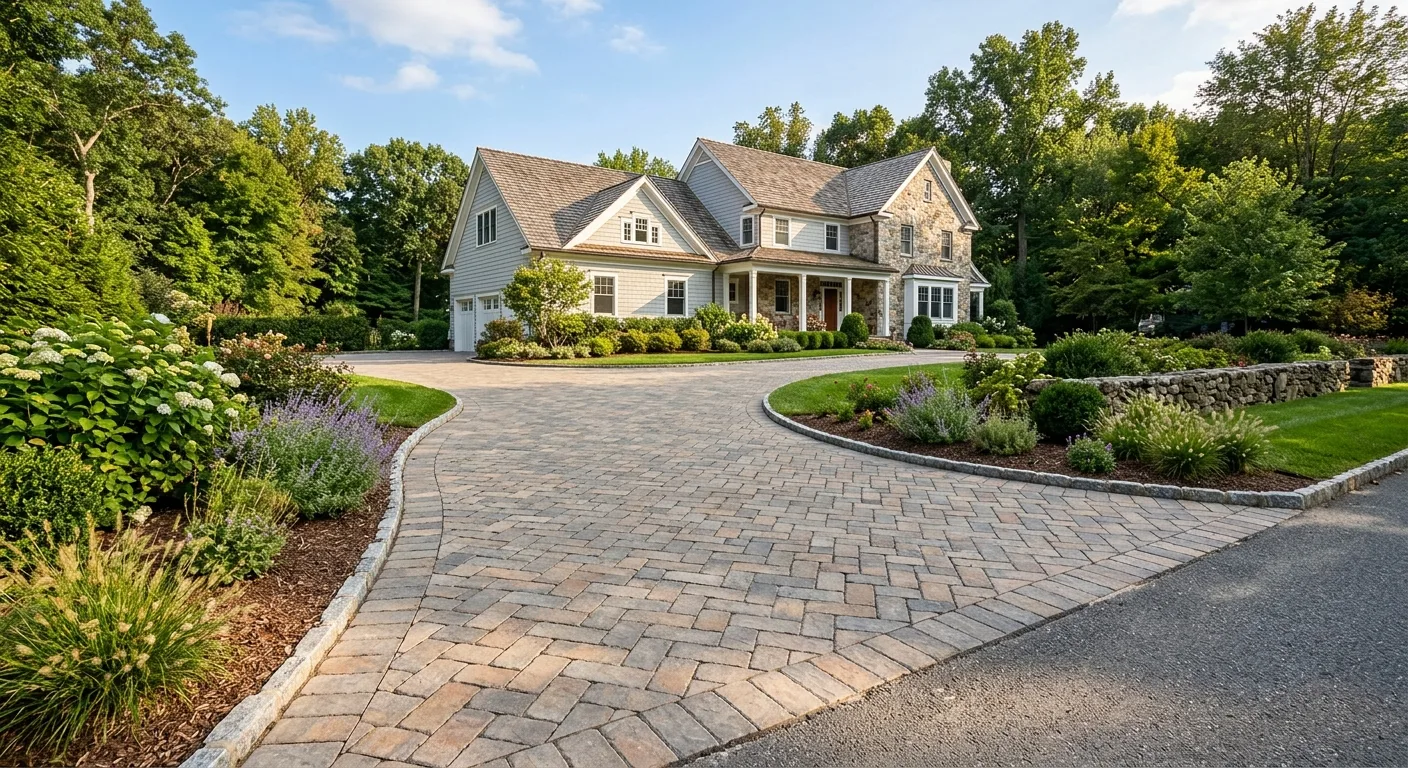
Paver Driveways, Patios, and Walkways That Hold Up
Stone and concrete pavers installed over a proper compacted base, by a fully insured Orange County crew.
Free estimate
Tell us what you need
Three fields. It reaches a person here, not a call centre.
Stone and Concrete Pavers Worth the Investment
Concrete pavers and natural stone pavers cost more upfront than a plain poured slab. That's a fact, and anyone who doesn't tell you that is wasting your time. What you're paying for is a surface that won't crack across the middle when the ground shifts in winter, can be repaired one unit at a time instead of torn out wholesale, and still looks sharp fifteen years from now. If you're comparing a poured concrete patio to a paver installation, the right choice depends on your budget, your soil, and how long you plan to stay in the home. Call Alissia Home Improvement for a free on-site estimate and we'll walk you through both options.
Paver work lives or dies by what happens underneath the surface you see. A 4-inch compacted gravel base, proper sand bedding, and tight edge restraints are what separate a patio that stays level from one that heaves and sinks within three winters. Material choice matters too: concrete pavers are durable and come in dozens of profiles; natural bluestone and flagstone carry a different look and texture; brick pavers suit certain architectural styles. Size of the space, pattern complexity, site grading, and whether we need to tie into a retaining wall or handle drainage all influence what the job takes. Every job is different, contact Alissia Home Improvement for an accurate estimate.
Why Pavers Outperform Plain Concrete Over Time
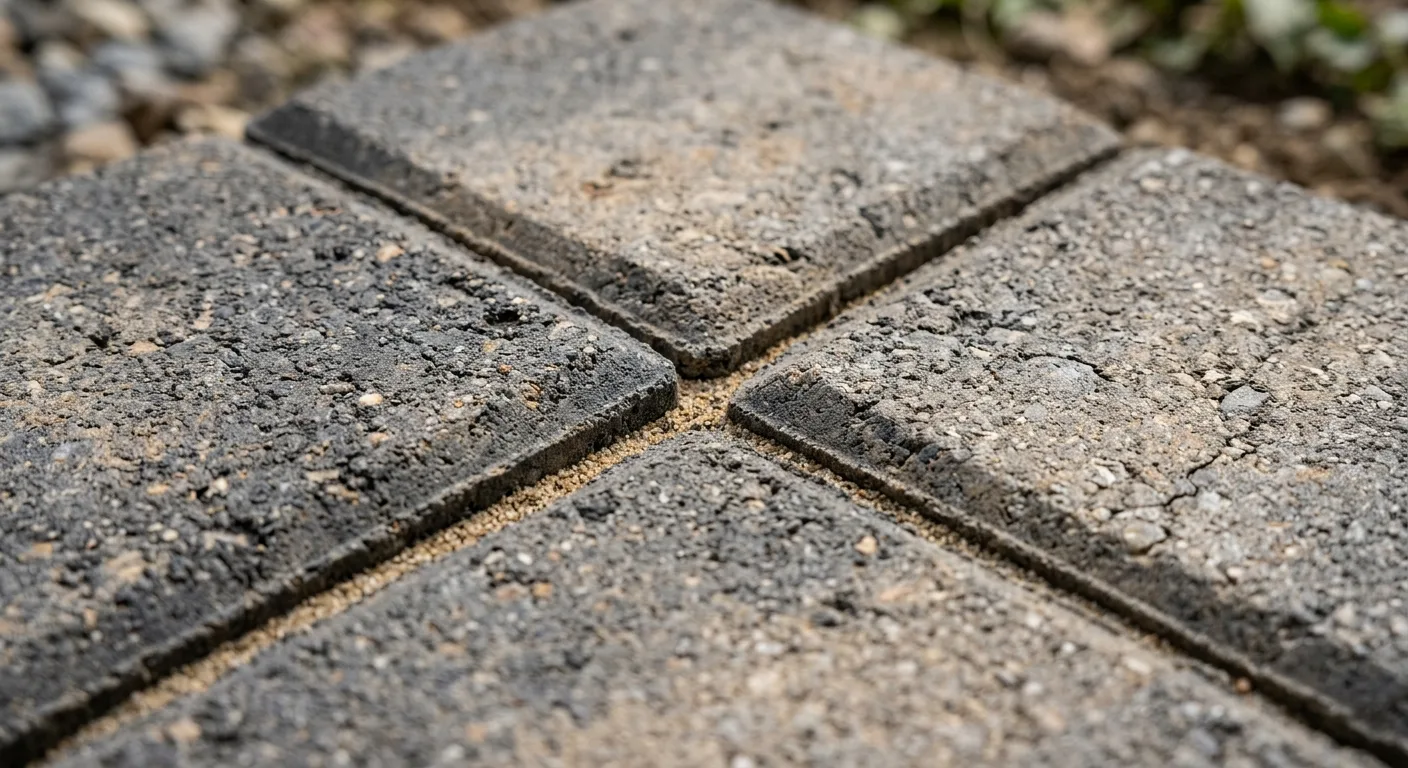
One cracked paver gets replaced. One cracked slab gets jackhammered.
Material Options
Concrete, Bluestone, Flagstone, or Brick
Different materials, different looks, different price points.
Concrete Pavers
The most common choice for driveways and patios. Consistent dimensions, dozens of color profiles, handles vehicle weight well when properly bedded. Cost-effective without looking cheap.
Bluestone
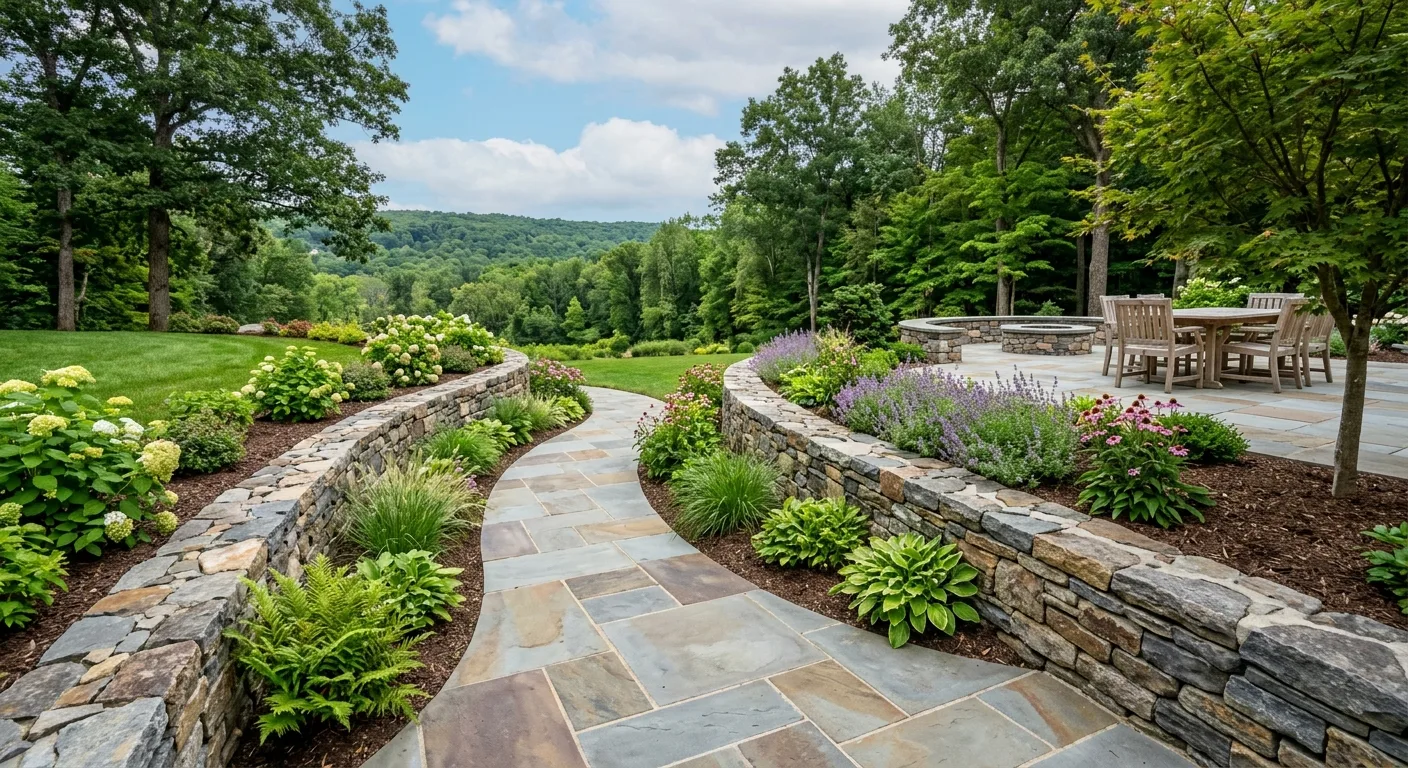
A natural cut stone that's widely used in the Northeast for walkways and patio surfaces. Dense, slip-resistant, and ages well. Pairs naturally with the landscape across Orange County.
Flagstone
Irregular-cut natural stone that works well for curved paths and organic patio shapes. Every piece is unique. Requires more labor to set correctly, but the result looks like it grew there.
Brick Pavers
Classic look, high durability. Works well on walkways and front entry areas where traditional aesthetics matter. Holds color without sealing and handles freeze-thaw cycles reliably.
How We Work
Base Prep First, Pavers Second
The most common shortcut in paver installation is skimping on the base. We don't do that.
- 01
Excavate and Grade
We dig to the correct depth for your soil conditions and the load the surface will carry. Grading handles drainage so water moves away from the structure, not toward it.
- 02
Compact the Base
We lay and compact a crushed gravel base, minimum 4 inches for patios, deeper for driveways. This is where most budget installs fail. Skip this step and the surface moves.
- 03
Set and Lock the Surface
Pavers go in on a screeded sand bed, tight to edge restraints that hold the field together. We sweep polymeric sand into the joints to lock the pattern and resist weeds.
What a Paver Patio Can Include
- 01
Driveway paver installation
Full excavation, gravel base, bedding sand, paver field, and edge restraints rated for vehicle load.
- 02
Patio surface installation
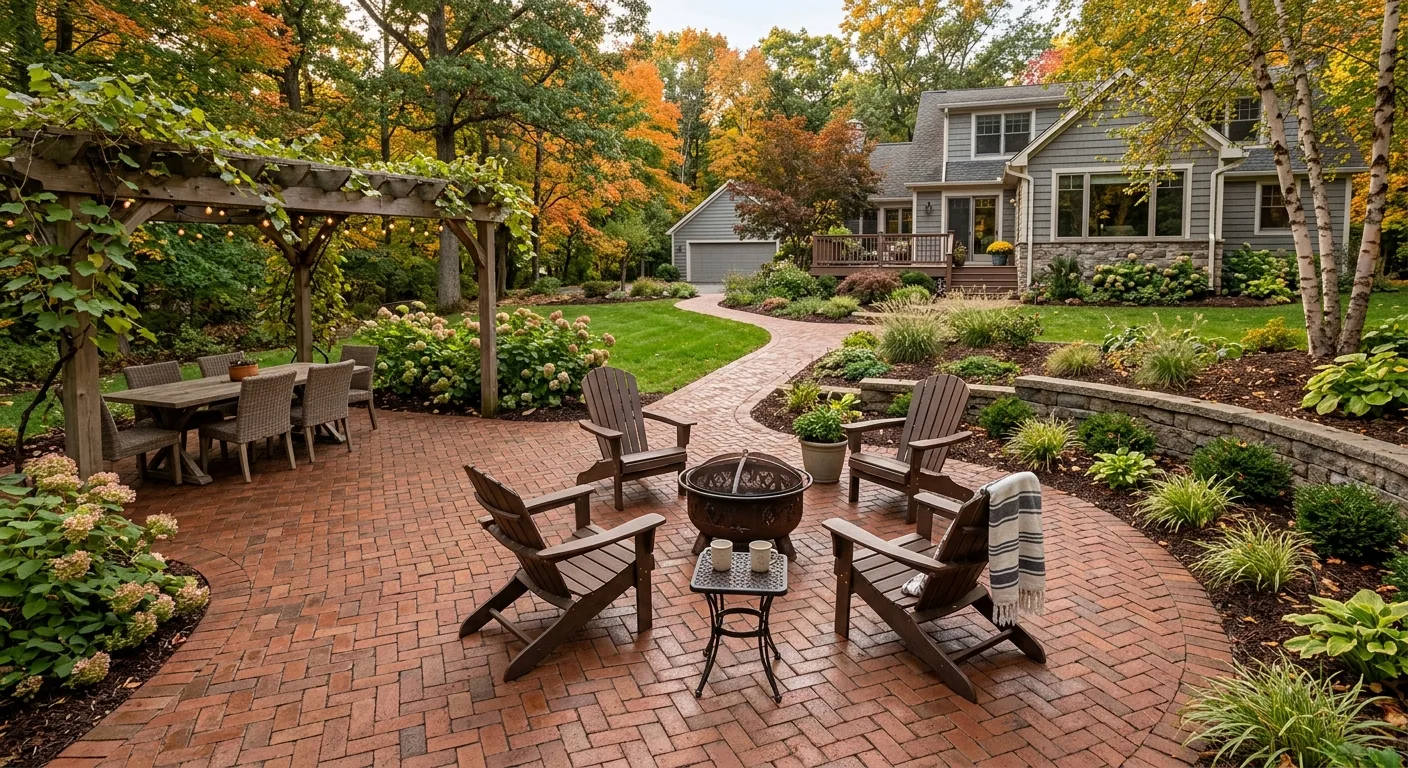
Custom layouts including straight grid, herringbone, and running bond patterns in your choice of material.
- 03
Walkways and entry paths
Connecting your driveway, front door, or side yard with a clean, level surface. See our sidewalk and walkway work for more.
- 04
Seating walls and borders
Low-profile walls that define the patio edge and double as seating. Built with the same structural care as a full retaining wall.
Completed Paver Projects
Straight from Google
What Customers Say About This Crew
Jesus and his team were wonderful to work with in pouring new concrete driveway. We had issues with drainage and the drive was pitched toward the house. He and his team worked diligently and to ensure everything was level and pitched the right way. He communicated throughout each step of the process and wanted to ensure we were happy as things moved along. Would definitely recommend his team and I plan on calling him again in the future.
 Stephanie RiccardiSep 2026 · Google
What a great guy! Exceptional work. Did my walkway with blue stone and im vary happy with it.
 Kristina BarnesJul 2026 · Google
Jesus is professional about every detail. He has great insight on how to accomplish the best way to build something and worked with us, collaborating on design.
 Lesli UribeJul 2026 · Google
Jesus and his crew did a great job with cleaning up our yard and power washing house and deck
 Stacy HenzeJul 2026 · Google
Jesus and his team did an excellent job on our patio and retaining walls. They look great and him and his team were so helpful and took care of all the details. Highly recommend
 Cassandra UribeJul 2026 · Google
Get a Free On-Site Paver Estimate
Ready to stop looking at that cracked slab or bare backyard?